What is Regenerative Healthcare?
Regenerative healthcare focuses on restoring function and structure to damaged tissues and organs, utilizing the body's natural healing capabilities. This approach aims to address the root cause of conditions rather than just managing symptoms, offering a path towards long-term recovery and improved quality of life.
This advanced field often involves therapies like stem cell treatments, platelet-rich plasma (PRP) injections, and other biological agents that stimulate the body's regenerative processes. The goal is to repair, replace, or regenerate cells, tissues, and organs affected by disease, injury, or aging.
Benefits of Chiropractic Care
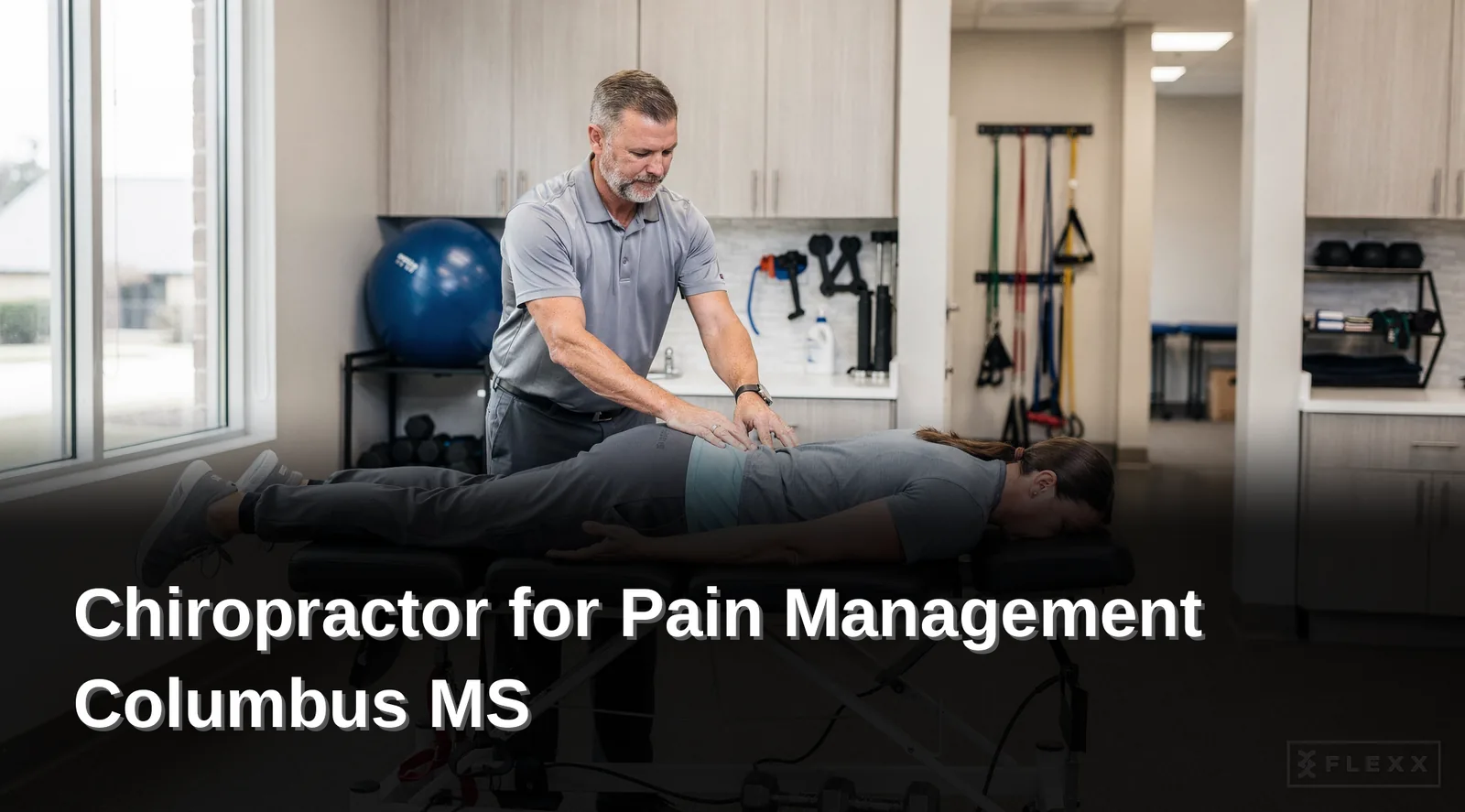
Chiropractic care offers a non-invasive, drug-free approach to managing pain and improving overall physical function. By focusing on the alignment of the spine and its relationship with the nervous system, chiropractors help alleviate discomfort, enhance mobility, and promote the body's inherent healing abilities.
Patients often experience relief from conditions such as back pain, neck pain, headaches, and sciatica. Beyond pain reduction, regular chiropractic adjustments can contribute to improved posture, increased energy levels, and better sleep, leading to a more active and fulfilling lifestyle.
Understanding Physical Rehabilitation
Physical rehabilitation is a crucial component of recovery, designed to restore movement, strength, and function after injury, surgery, or illness. It involves a personalized program of exercises and therapeutic techniques tailored to an individual's specific needs and goals.
This process not only aids in healing but also educates patients on how to prevent future injuries and maintain long-term physical health. Key elements often include stretching, strengthening exercises, balance training, and manual therapy to optimize recovery and regain full functional capacity.
The Role of Pain Management
Effective pain management is essential for improving a patient's quality of life, enabling them to participate more fully in daily activities. It involves a multi-faceted approach that addresses the underlying causes of pain while providing relief through various therapeutic interventions.
Pain management strategies can include a combination of medication, physical therapy, lifestyle modifications, and interventional procedures. The aim is to reduce pain intensity, improve function, and enhance emotional well-being, allowing individuals to regain control over their lives.