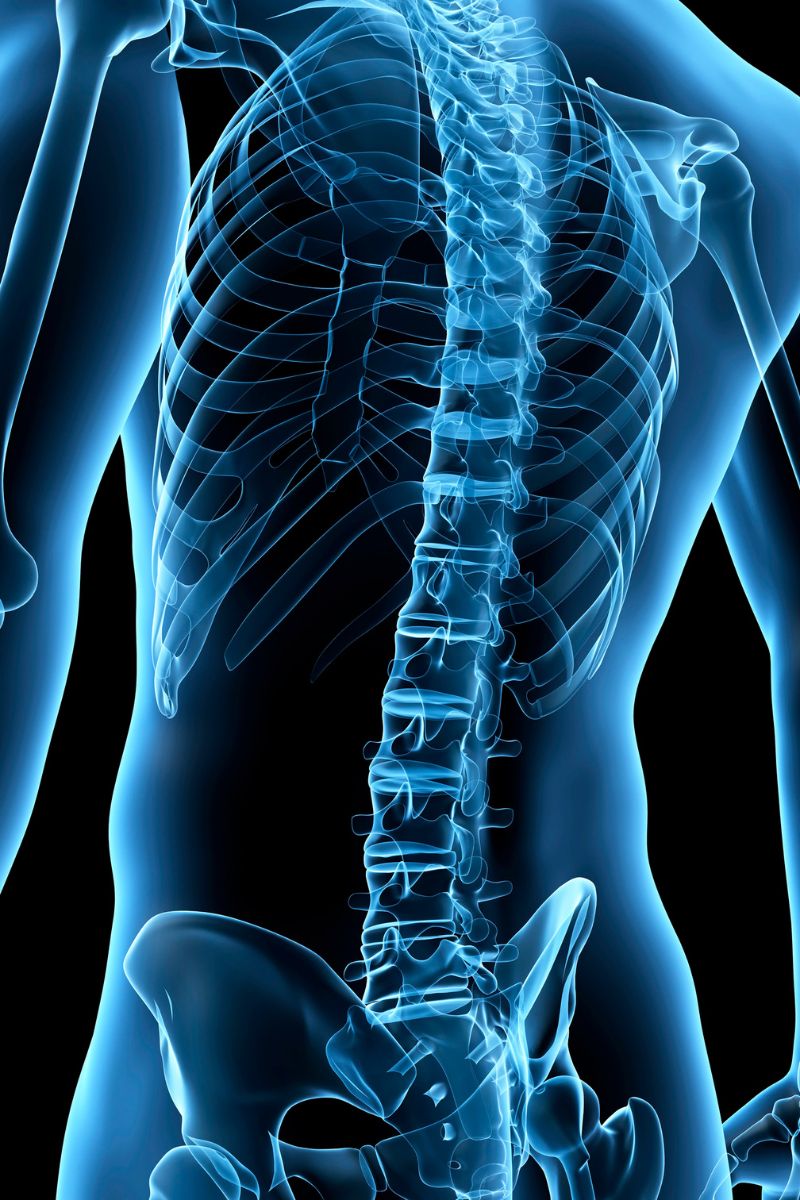
Understanding the Causes of Neck and Back Pain
Neck and back pain can stem from a variety of underlying issues, ranging from structural problems to lifestyle factors. Identifying these root causes is the first step towards effective treatment and long-term relief.
Common culprits include degenerative disc disease, where the spinal discs lose their cushioning ability, leading to nerve compression. Other significant contributors are muscle strains and ligament sprains resulting from sudden movements or overuse, as well as poor posture and prolonged periods of inactivity.
Symptoms of Neck and Back Pain
The experience of neck and back pain is highly individual, with symptoms varying in intensity, location, and type. Recognizing these diverse manifestations is crucial for accurate diagnosis and targeted care.
Back pain can present as a dull, persistent ache in a specific area or a more widespread discomfort. It may also manifest as sharp, shooting sensations that radiate down the leg, accompanied by stiffness and limited mobility. Neck pain often includes headaches, shoulder discomfort, and a feeling of tightness or stiffness in the neck region, sometimes with radiating pain or numbness into the arms.
Effective Treatments for Neck and Back Pain
A comprehensive approach to treating neck and back pain often involves a combination of therapies designed to restore function, alleviate pain, and promote healing. The goal is to address the immediate discomfort while also preventing future occurrences.
Treatment strategies can include chiropractic adjustments to improve spinal alignment and reduce nerve interference, physical rehabilitation to strengthen supporting muscles and improve flexibility, and modalities like bracing for support. The focus is on empowering the body's natural healing capabilities without relying solely on medication.
The Importance of Spinal Alignment and Nerve Function
Maintaining proper spinal alignment is fundamental to overall health, as it directly impacts the nervous system's ability to communicate effectively throughout the body. Misalignments can lead to a cascade of health issues, including pain and dysfunction.
When the spine is properly aligned, it allows for unimpeded nerve flow, which is critical for healing, organ function, and optimal physical performance. Chiropractic care aims to correct these misalignments, thereby removing nerve interference and restoring the body's innate capacity for health and well-being.